
Building a Modern Black Wall Street Online: Why Directories Matter More Than Ever
iqra
January 30, 2026

The phrase “Black Wall Street” evokes images of Tulsa’s Greenwood district in the early 1900s: bustling Black-owned banks, shops, theaters, and professional offices clustered in one walkable community. Today, that physical clustering is harder to recreate. Black communities are scattered across cities, suburbs, and online spaces. But the need for concentrated visibility and internal circulation of dollars remains. The modern movement builds on collaboration, with events like expos and festivals amplifying it.
A recent article on the resurgence of Black Wall Street ideas notes that digital platforms—websites, social media, and online marketplaces—are now doing some of the work physical proximity once did. They connect barbers in Baltimore to clients in D.C., caterers in Chicago to corporate buyers nationwide, and artisans in Atlanta to customers around the world. Reviving Black Wall Street focuses on networks and tech hubs.
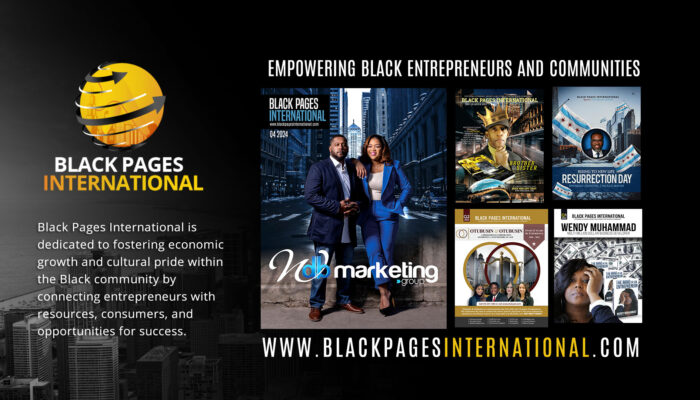
In this environment, Black Pages International functions as a kind of searchable Black Wall Street. Instead of one street in one city, BPI organizes thousands of businesses into categories, regions, and tags. A user can walk the “blocks” by clicking through directories: food, tech, wellness, construction, legal, finance.
Why does this matter? Because mainstream search engines and platforms do not prioritize Black-owned status. A Black-owned accounting firm and a large multinational competitor may appear side by side with no clear way for a user to distinguish who they’re economically empowering. Directories like BPI restore that context. Innovative financing models foster this online revival.
For business owners, listing on Black Pages International is akin to renting a storefront on the main avenue of a historic Black commercial district—except the foot traffic is digital and global. For consumers, using BPI is like choosing to shop in that district first, before heading to a generic mall.
The new Black Wall Street will not look exactly like the old one. It will be more dispersed, more digital, and more resilient. But the core principle is unchanged: when Black people can easily find and support Black-owned businesses, wealth recirculates, jobs grow, and communities strengthen. Themes like “Rebuild the Vision” guide this in 2026. BLACKOUT 2025 turns back the clock on disparities through modern actions.
Black Pages International is one blueprint for that future. The invitation is open: claim your store on the street, and take your walk through its blocks every time you are ready to buy. As net growth continues for the 10th year, online directories will play a pivotal role.
Connect. Grow. Be Seen with Black Pages International.
Call Now